
Quality improvement Articles
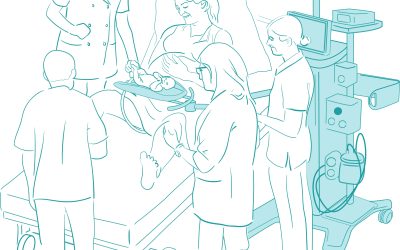
Delaying cord clamping – beneficial for ill or preterm born babies
For babies who are born healthy, the World Health Organisation (WHO) recommends to delay cord clamping . It means that the umbilical cord is not clamped immediately after birth but

European Standards for Newborn Health launched
#NewbornHealthReloaded The European Standards for Newborn health were launched at the end of 2018 with a call to action. 220 health professionals and parent organisations from 30 countries were involved

Take the leadership commitment challenge!
We recently came across an interesting leadership book-The Leadership Challenge by Kouzes and Posner. It sets out 5 Practices and 10 Commitments for exemplary leadership. We challenge you to ask

Healthy Newborn Network (HNN) Resources 4
Nigeria’s ‘Flying Midwives’ Are Helping Save Moms and Babies Nigeria is a risky place to give birth. Around 58,000 mothers die in childbirth in Nigeria every year, and 240,000 newborns

Healthy Newborn Network (HNN) Resources 2
Early total enteral feeding – An effective intervention to improve outcomes in very low birth weight (VLBW) neonates in resource limited settings. Early appropriate nutrition and infection prevention are vital

Child Health Information for All (CHIFA) online forum
Improving access to relevant, reliable and evidence-based healthcare information has enormous potential to radically improve healthcare and outcomes worldwide. NNASA and COINN are active participants in this forum. We recommend

Healthy Newborn Network (HNN) Resources 3
Factors Impacting Practice of Home Kangaroo Mother Care with Low Birth Weight Infants Following Hospital Discharge To identify enablers and barriers related to home Kangaroo Mother Care (KMC) adoption after

Healthy Newborn Network (HNN) Resources
As members of NNASA you are also members of the Healthy Newborn Network. Over the next few days we will be highlighting a few articles/resources from their recent newsletter. Up
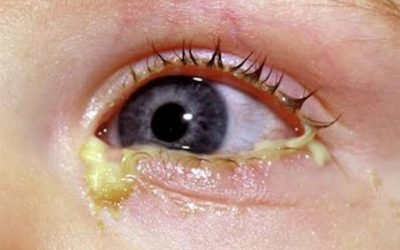
WHO Alert about eye injury due to errors in administration of Chlorhexidine!
WHO has been made aware of multiple, recent reports of eye injury, including blindness, with the use of chlorhexidine gluconate 7.1%, in nine countries in sub Saharan Africa. Chlorhexidine gluconate

Exploring the space for task shifting to support nursing on neonatal wards in Kenyan public hospitals
Finding relevant research on neonatal nursing in Africa can be a challenge. Here is an interesting article looking at how some nurses address the challenges of short staffing. Nursing practice